
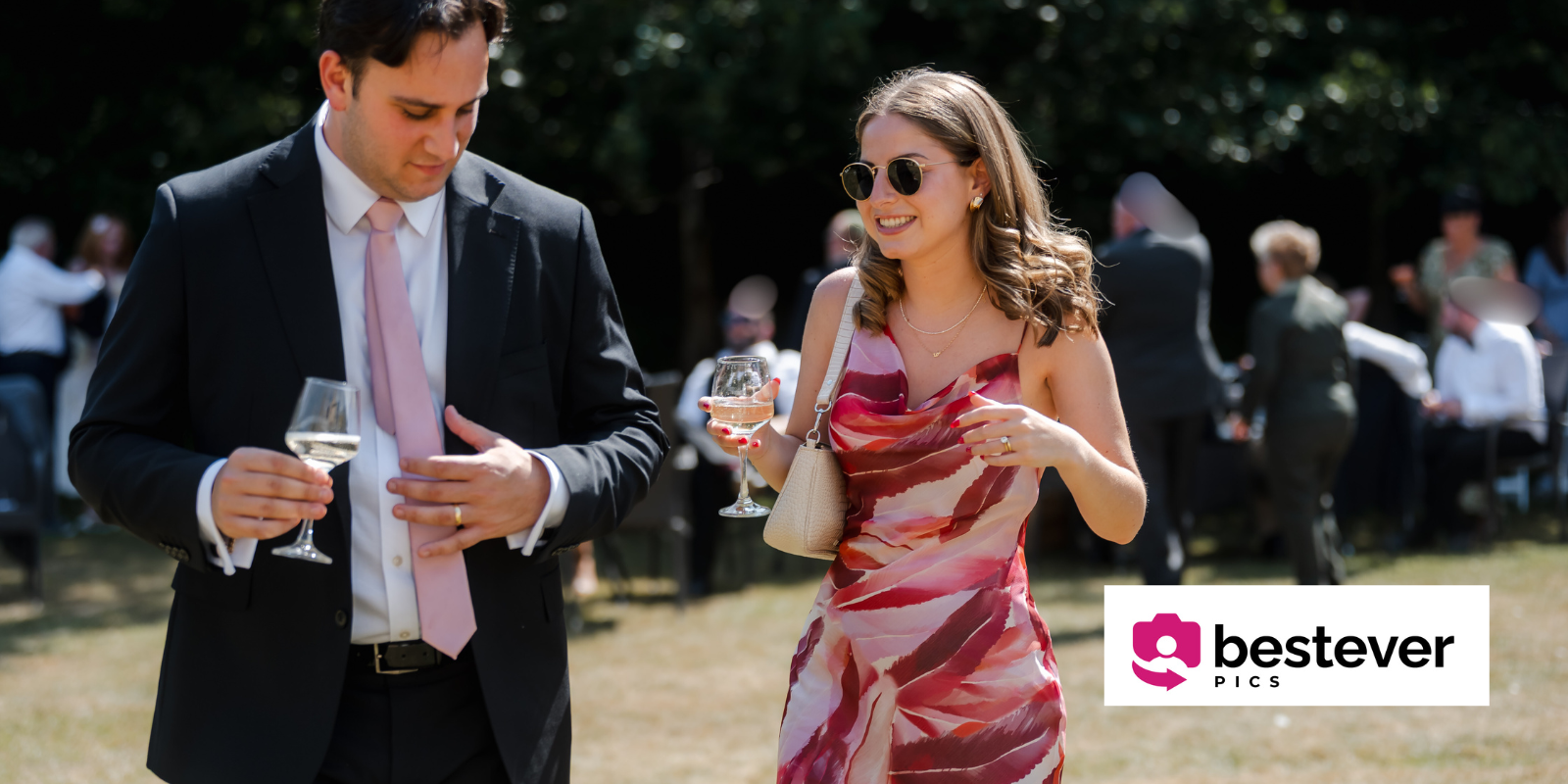
As a wedding guest, you have a unique opportunity to capture authentic, candid moments that professional photographers might miss. Your perspective from within the celebration—as a friend, family member, or loved one—allows you to document genuine interactions, spontaneous laughter, and heartfelt emotions that make weddings truly special.
However, there's an art to being a helpful photography contributor without becoming a distraction. The key is finding the sweet spot between capturing memories and respecting the professional photographer's work, the couple's vision, and the flow of the ceremony and reception.
Here's everything you need to know about taking amazing wedding photos as a guest while being considerate and staying out of the way.
Understanding Your Role as a Guest Photographer
You're Capturing Moments, Not Documenting the Event
The professional photographer is responsible for documenting every important moment and getting those perfect, well-composed shots. Your role is different—you're there to capture the spontaneous, unscripted moments that happen when people think cameras aren't watching.
Focus on candid interactions, genuine laughter, emotional reactions, and behind-the-scenes moments. These are often the photos couples treasure most because they show the authentic experience of their wedding day.
Quality Over Quantity
Don't feel pressured to take hundreds of photos. Instead, be selective and intentional. Capture moments that matter, that tell a story, or that showcase genuine emotion. A few excellent photos are far more valuable than dozens of mediocre ones.
Golden Rule: If you find yourself blocking others' views, stepping into the professional photographer's shot, or creating a distraction during important moments, you've crossed the line. Pull back and enjoy the moment instead.
Essential Photography Etiquette
During the Ceremony
Respect the Unplugged Ceremony Request: If the couple requests an unplugged ceremony (no phones or cameras), honor that request completely. They want their guests present and engaged, not viewing the ceremony through screens. The professional photographer will capture everything you would have photographed anyway.
Stay in Your Seat: Never walk into the aisle during processionals, recessionals, vows, or kiss. Not only does this block other guests' views, but you'll also photobomb the professional photos. Take photos from where you're seated.
No Flash During Ceremonies: Flash photography during ceremonies is distracting and disrespectful. Modern smartphones work surprisingly well in low light. Turn off your flash and increase your phone's exposure if needed.
Be Aware of Your Surroundings: Before taking a photo, quickly glance around to ensure you're not blocking anyone's view or interfering with the photographer's angles.
During the Reception
The reception offers much more freedom for guest photography. This is where you can really contribute unique perspectives:
- Capture candid table moments: Conversations, laughter, and interactions at your table
- Document the details: Centerpieces, place settings, favors—the small touches couples work hard on
- Get guest perspectives: Group selfies, fun moments on the dance floor, behind-the-scenes preparations
- Photograph reactions: Guests' reactions during toasts, first dance, or cake cutting can be priceless
Technical Tips for Better Wedding Photos
Master Your Phone's Camera
Most guest photos come from smartphones. Here's how to maximize your phone's camera capabilities:
Clean Your Lens: Before taking photos, wipe your camera lens. Pocket lint and fingerprints create hazy, unfocused images.
Use Portrait Mode Wisely: Portrait mode creates beautiful background blur, but it works best at medium distances (4-8 feet). It struggles with groups or very close-up shots.
Tap to Focus: Always tap on your phone screen where you want the camera to focus and adjust exposure. This simple step dramatically improves photo quality.
Avoid Digital Zoom: Digital zoom degrades quality significantly. Instead of zooming, move closer to your subject when possible.
Hold Steady: Brace your arms against your body, hold your breath momentarily when pressing the shutter, or lean against something stable. Blurry photos are usually caused by camera shake.
Lighting Tips
Work With Available Light: Position yourself so light falls on your subject's face rather than backlighting them. Window light is your friend during daytime weddings.
Evening Reception Lighting: Wedding venues often have warm, dim lighting. Embrace it rather than fighting it with flash. These warm tones create ambiance in your photos.
Outdoor Lighting: If photographing outdoors, avoid harsh midday sun that creates unflattering shadows. Overcast conditions or open shade provide more flattering light.
Composition Basics
Rule of Thirds: Imagine your frame divided into thirds both horizontally and vertically. Place subjects along these lines or at their intersections for more dynamic compositions.
Leave Headroom: Don't crop right at the top of people's heads. Leave a little space above while ensuring you're not cutting off their chins or bodies.
Background Awareness: Quickly scan your background before shooting. Watch for distracting elements like poles "growing" out of heads or messy tables.
Get Lower: Don't shoot everything from eye level. Squat down for more interesting angles, especially when photographing children or centerpieces.
What to Photograph (and What to Skip)
✓ DO Photograph
- Candid interactions and conversations
- Behind-the-scenes moments
- Your table's group photos
- Details like centerpieces and favors
- Guest reactions during key moments
- Dance floor fun from guest perspective
- Children playing and interacting
- The venue from unique angles
✗ DON'T Photograph
- The ceremony walk or first kiss (leave to pros)
- Formal family photos being taken
- Couple portraits during golden hour shoot
- Any moment while blocking others
- Food plating (unless truly exceptional)
- Unflattering moments (drunk guests, etc.)
- Private couple moments meant to be intimate
- Photos that require flash during ceremony
Timing Your Photography
Pre-Ceremony
If you arrive early, this is a great time for detail shots: the venue setup, decorations, signage, and exterior of the venue. Avoid entering preparation areas unless specifically invited.
Cocktail Hour
This is prime time for guest photography. Capture candid conversations, groups mingling, and people enjoying appetizers and drinks. Natural, unposed moments happen frequently during cocktail hour.
Reception Highlights
During major reception moments (first dance, cake cutting, toasts), take a few photos of the moment itself, then turn your camera to capture guest reactions. These reaction shots are often more interesting than another angle of the same official moment.
Dance Floor Action
The dance floor is where you can be most creative. Capture the energy, joy, and fun from within the action. Just be mindful not to bump into dancers or get in the DJ's way.
Pro Tip: Some of the best photos happen during "transition" moments—between ceremony and reception, during dinner courses, or when the dance floor opens. These in-between times capture authentic interactions.
Working Alongside the Professional Photographer
Stay Out of Their Shots
Professional photographers carefully compose their shots. Be aware of where they're positioned and avoid walking through their frame or standing where you'll appear in their background.
Don't Compete for the Same Shot
When the photographer is setting up a formal or group photo, don't try to get the same shot from a different angle. You'll never get as good a version as they will, and you might distract subjects. Wait for them to finish, then take your casual shots.
Learn From Watching
Observe how the professional photographer positions themselves, uses light, and composes shots. You can learn a lot by paying attention to their techniques throughout the event.
Sharing Your Photos
Use the Couple's Preferred Method
If the couple has set up a QR code photo-sharing system or specific platform, use it. This ensures your photos end up in the right place and the couple can easily access them.
Upload Promptly
Share your photos within a few days while memories are fresh. Don't wait weeks—the couple is excited to see all perspectives from their wedding.
Curate Before Sharing
Review your photos and share only your best shots. Delete duplicates, blurry images, and unflattering photos. Quality beats quantity.
Consider Privacy
Before posting wedding photos to social media, consider the couple's preferences. Some couples want to be the first to share their wedding photos publicly. When in doubt, wait a few days or ask.
Special Situations
Destination Weddings
Destination weddings often include multiple events beyond the ceremony and reception. Document the journey, welcome parties, and group activities. These photos help tell the complete story of the celebration.
Outdoor Ceremonies
Outdoor venues present unique challenges and opportunities. Be extra careful about not blocking others' views since there are often fewer structured seating arrangements. Take advantage of natural scenery for beautiful backgrounds.
Cultural or Religious Ceremonies
Research photography customs for specific cultural or religious ceremonies. Some traditions have strict rules about when and where photography is appropriate. When in doubt, ask or follow the lead of other guests.
Final Thoughts: Being a Considerate Guest Photographer
Remember, you're a guest first and a photographer second. Your primary role is to celebrate with the couple and enjoy their special day. Photography should enhance your experience and contribution, not detract from your presence or others' enjoyment.
The best guest photographers are those who capture beautiful moments without anyone noticing they're doing it. They're fully engaged in the celebration while occasionally documenting special moments they witness.
By following these tips, you'll contribute valuable photos to the couple's wedding memories while remaining a respectful, engaged guest. Your unique perspective from within the celebration will complement the professional photography perfectly, helping create a complete picture of this memorable day.